

Franco-Españolas is one of the few centenarian wineries in Rioja, their wine has been seen as fit for a king’s coronation and praised by one of world’s most famous authors (and drinkers), and it’s only available in Scotland via Alexander Wines.
Bodegas Franco-Españolas and the origins of modern Rioja
The origin of modern winemaking in Rioja is intrinsically linked to France, Bordeaux in particular, and Rioja Bordón is no exception to this. The name of the winery “Bodegas Franco-Españolas” originates from founder Frederick Anglade Saurat, who moved from his native Bordeaux to make wine in this northern part of Spain.
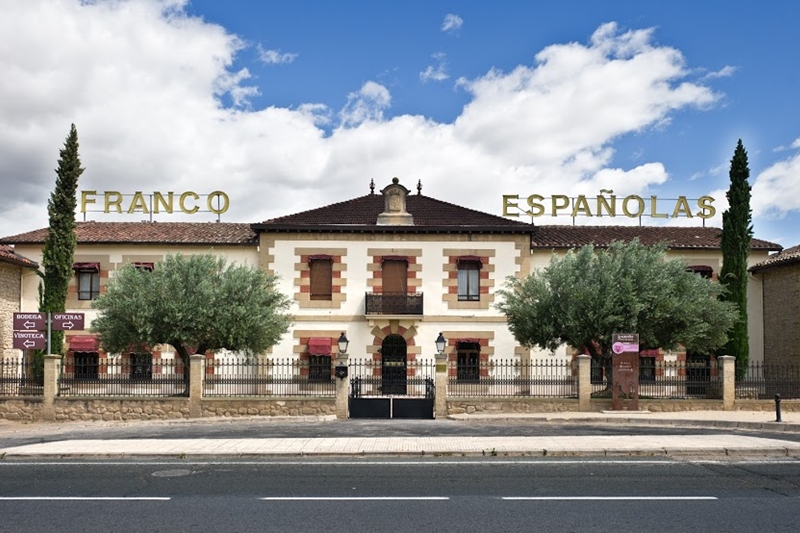
In the centre of the Rioja wine growing region is the town of Logroño, an important stop on ancient trade and pilgrim routes through Europe, and this is where Bodegas Franco-Españolas was founded. This is also the town where in 1635 the mayor banned carts from going down the street past the bodegas in case the movement disturbed the wine!
The Bordeaux style of making wine in oak barrels had gradually been trickling down towards this part of Spain since the late 1700s, however the arrival of everyone’s favourite vineyard villain to Europe in the 1860s meant that the migration of the French winemaking style was really kicked up a gear. The Phylloxera mite, which attacks vines from the roots up, made its way over on ships from the Americas and decimated much of the European vine plantings. Eventually, as a response to phylloxera, European vines were grafted onto American root stock, which was more resistant to the mite, a practice still in place today. French vineyards were particularly hard-hit by this plague and many winemakers had made their way south to Spain to start wineries there. This migration was what brought Frederick Anglade Saurat to the banks of the River Ebro in Logroño in 1890. The first wines released by Franco-Españolas were the white “Diamante” and the red “Estilo Borgoña” (Burgundy style). In a rebrand in 1950s, the winery began to use the name Rioja Bordón on their wines, which is still in use today.

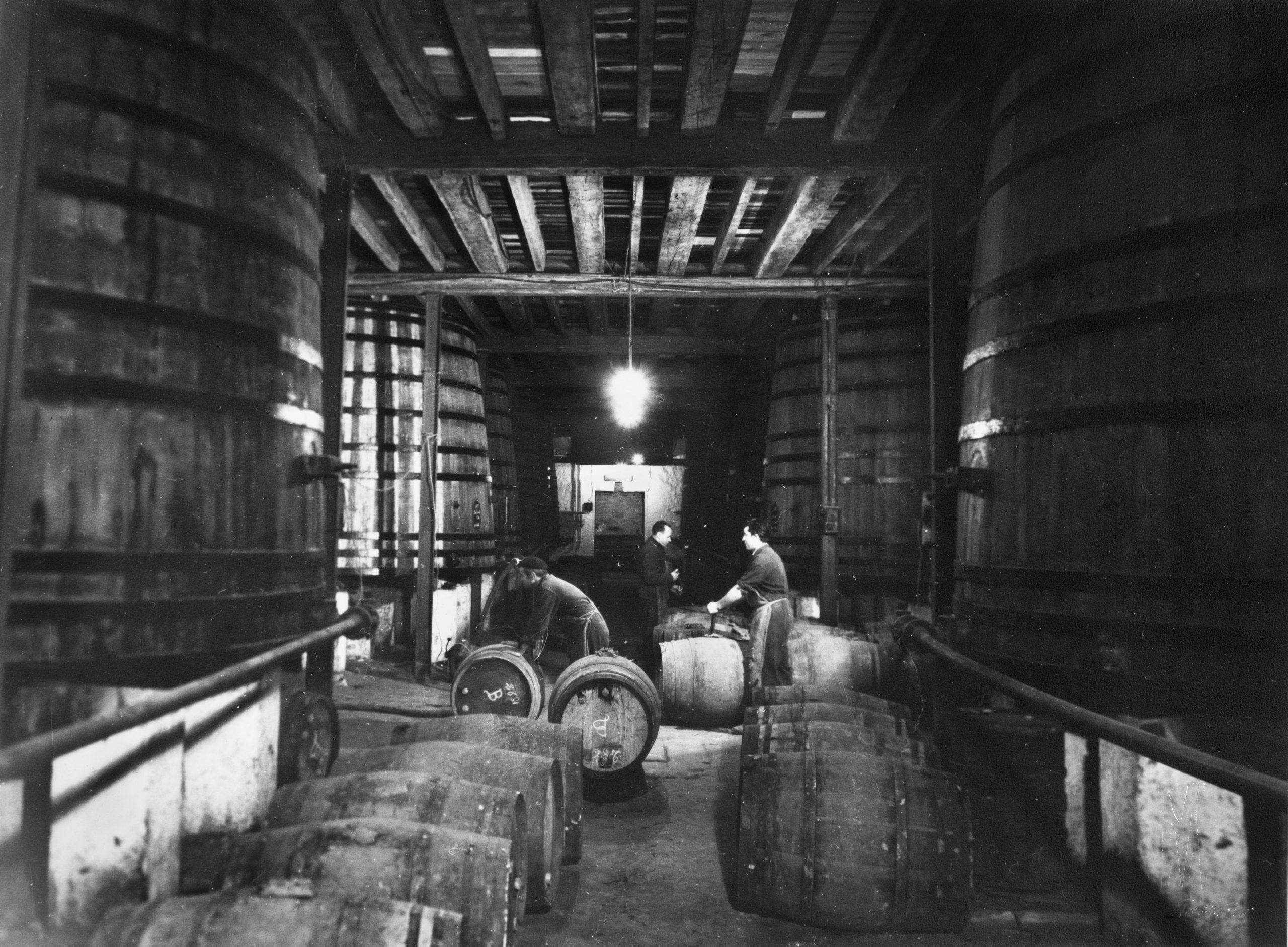
The Rioja region is known for its iconic red wines made from Tempranillo, Garnacha, Graciano, and Mazuelo with each bodega releasing wines under specific classifications ranging from Generic to Gran Reserva.

But what about White Rioja?
You would be forgiven for not knowing much about the less prominent white wines from the Rioja region with the reds stealing the limelight, but the whites offer up a wide range of options from light and fruity to complex wines full of tertiary characteristics. Made from a minimum of 51% Viura (also known as Macabeo), alongside other native varietals such as Garnacha Blanco, Tempranillo Blanco, and Malvasía – these wines only account for around 10% of the region’s wine production. In terms of aging, the rules are not dissimilar to red wine, however a reduced minimum of 6 months in oak is applied to the white and rosés for Crianza, Reserva, and Gran Reserva.
Bodegas Franco Españolas have been making white rioja since the winery’s inception in the 1890s. The current range includes their classic Bordón Blanco, and the iconic, semi-sweet Diamante which Ernest Hemingway mentions by name in his book, Death in the Afternoon. Also included in the range of white wines produced by the bodega is the limited release Viña Sole Tête de Cuvée. This is an aged white rioja, which is something of a rarity in today’s wine world. The Viña Sole is made from 100% Viura, is aged in American and French oak barrels, and is only made in exceptional years. The term Tête de Cuvée is often found in Champagne, referring to the house’s best wine – more often than not these wines are from the best vineyards or plots and are meant to age, and this is exactly what the Viña Sole is.
As the agents for Rioja Bordón in Scotland, Alexander Wines have exclusive access to a small parcel of this wine when it is released. Over the many years of production the various incarnations of Viña Sole have scored highly at international competitions and in 1975 it was served at the coronation of King Juan Carlos I!
While generic white riojas are fresh, light and fruity, aged white riojas are full of developed oxidative notes and texture. While aged white riojas have fluctuated in popularity over the years, when made well they have taken their place in the wine history books as some of the best in the world, and we would argue that they are definitely worth any wine fan’s time. An aged white rioja takes the drinker on an intriguing journey of the senses. We currently stock the 2011 vintage of this wine, which was hailed as one of the best vintages for 30 years for Rioja.

When you open a bottle of Viña Sole 2011, the first thing you’ll notice is the bright golden yellow colour which comes from aging in oak for 18 months. On the nose you’ll be treated to a myriad of notes associated with aging including honey, whisky and apricots. Bordon Viña Sole is aged in oak with the lees (spent yeast) and stirred every week bringing a gorgeous texture to this wine. Married with the acidity from the high-altitude vineyards and north facing slopes, this wine has a perfect balance of weight and acidity. This is a dry wine with great structure, texture and weight – we’d thoroughly recommend enjoying it with mushroom dishes, roasted poultry, or fish dishes.